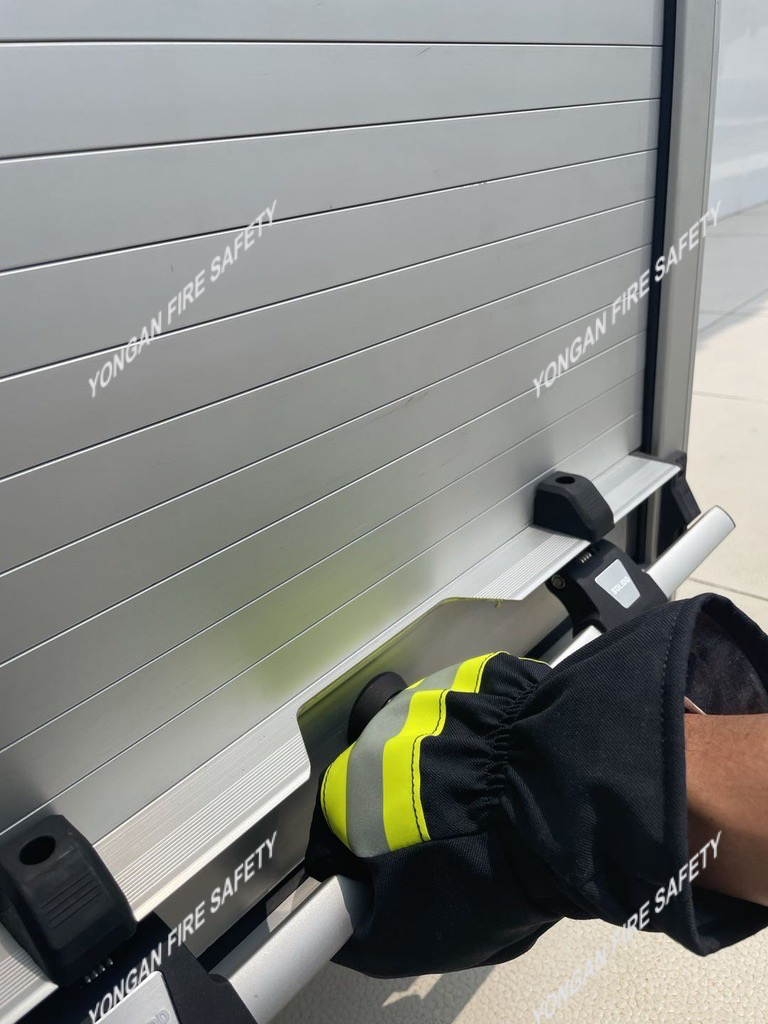
Fleet managers and specialty vehicle builders face a strict calculus when designing truck bodies. You must constantly balance structural durability, legal payload capacity, and daily operational speed. Making the wrong choice carries heavy consequences for your entire fleet. Specifying an incorrect door type leads to compounded issues down the road. Trucks become needlessly overweight, burning excess fuel daily. Metal panels suffer premature corrosion in harsh climates. Furthermore, traditional swing mechanics compromise rapid access in extremely tight urban environments.
We wrote this guide to solve these common engineering headaches. Below is an objective, side-by-side evaluation. We analyze the modern Aluminum Roller Shutter versus traditional steel truck doors. Our goal is to help procurement teams, engineers, and fleet operators make data-backed, application-specific decisions. You will learn exactly how material choices impact daily performance, long-term durability, and overall fleet efficiency.
Space Utilization: Roller mechanisms eliminate the outward swing radius required by traditional steel doors, enabling safe deployment in narrow alleys or tight industrial bays.
Corrosion Resistance: Aluminum naturally resists rust in high-moisture environments, whereas steel requires continuous surface maintenance to prevent oxidation.
Security & Impact: Steel doors maintain an edge in sheer blunt-force impact resistance and maximum heavy-duty security applications.
Emergency Applications: The aluminum roller shutter door for fire truck applications is the industry standard due to its rapid deployment, moisture resilience, and equipment visibility.
Framing the Decision: Evaluation Criteria for Commercial and Emergency Fleets
You cannot select a commercial vehicle door based solely on upfront material costs. Fleet operators must weigh several performance variables before finalizing a purchase order. We recommend establishing core business metrics to drive this critical procurement choice.
Weight Constraints (GVWR)
Gross Vehicle Weight Rating dictates strict legal weight limits. Transportation authorities monitor these numbers closely. Every pound saved on vehicle components translates directly to operational payload. Heavy doors eat into your cargo capacity. Alternatively, lightweight components allow you to carry more equipment per trip. Fleet managers must calculate the long-term fuel savings achieved by shedding excess door weight.
Clearance and Deployment Speed
Assess your daily operational environment carefully. Do your trucks navigate cramped loading docks? Do they park on busy urban streets or chaotic emergency scenes? Traditional doors require significant outward swing clearance. This swing radius severely limits functionality when space gets tight. Fast deployment matters deeply. Operators need immediate access without clearing a wide perimeter first. Rolling mechanisms solve this spatial limitation perfectly.
Lifecycle and Maintenance Reality
Look beyond initial acquisition costs to understand true lifecycle expenses. You must calculate ongoing maintenance requirements accurately. Steel parts demand constant rust prevention and repainting. Traditional tracks require regular alignment checks. Moving components need frequent lubrication. Analyze the expected lifespan of each material under daily stress. We consistently see fleets fail when they ignore long-term preventative upkeep in their initial budgets.
The Aluminum Roller Shutter: Engineering Profile and Capabilities
Let us examine the structural mechanics of modern rolling doors. Manufacturers engineer these units using interlocking extruded aluminum slats. They often utilize robust 6000-series architectural grade aluminum. This design provides rigid perimeter security. Simultaneously, the curtain rolls smoothly into a compact overhead canister. This overhead storage frees up massive amounts of interior compartment space.
Primary Advantages
We categorize the benefits of aluminum rolling systems into three distinct areas of operational excellence.
Weight-to-Strength Ratio: These profiles are significantly lighter than heavy-gauge steel. Yet, they never compromise standard perimeter security. Modern extruded alloys resist opportunistic break-ins highly effectively.
Corrosion Immunity: Aluminum forms a natural oxide layer that offers baseline corrosion resistance, but for harsh environments like road salt exposure, anodized or coated aluminum is recommended.
Ergonomics: Operator safety remains paramount. Spring-assisted rolling mechanisms drastically reduce physical strain. Operators avoid severe shoulder and back injuries associated with heaving heavy metal panels upward.
Known Limitations
We must acknowledge realistic engineering boundaries. Buyers face a higher initial capital expenditure when selecting premium aluminum systems. Furthermore, engineers do not design these standard slats to withstand deliberate ramming. They will bend under extreme blunt-force impacts or forklift collisions faster than heavy-gauge steel panels.
The Steel Truck Door: Traditional Durability and Application
Steel remains a formidable player in general dry freight and heavy industrial transport. The structural mechanics usually involve standard flat steel swing doors. Sometimes, fleets utilize heavy-duty steel roll-ups for box trucks. These legacy designs rely on thick material gauges to provide maximum physical defense.
Primary Advantages
Why do traditional dry freight fleets stick to this material? We observe a few core reasons driving this continued loyalty.
Maximum Rigidity: Steel offers unmatched physical defense. It repels heavy impacts, forklift collisions, and localized damage effortlessly. It provides tremendous peace of mind in high-theft urban zones.
Lower Initial Cost: Material procurement remains highly economical. Budget-conscious buyers often favor this lower upfront financial barrier.
Simplicity: Swing variants possess very few moving parts. They use simple heavy-duty hinges rather than complex tracks and rollers. Fewer mechanical parts generally mean fewer mechanical failure points.
Known Limitations
Despite its legendary strength, steel carries significant operational drawbacks. The sheer weight drastically limits your available payload capacity. Additionally, ferrous metal poses a high susceptibility to rust. You must implement aggressive surface maintenance protocols. Furthermore, swing doors require massive operational clearance. This requirement makes narrow urban deliveries difficult and potentially dangerous for passing traffic.
Head-to-Head: Material Performance in Harsh Environments
Let us compare the two solutions against real-world friction points. We assess how they behave outside controlled laboratory environments. Everyday transit conditions reveal the true capabilities of commercial doors.
Weathering and Moisture
Water destroys unprotected ferrous metal quickly. We constantly contrast steel's vulnerability to rust against aluminum's inherent moisture resistance. Even galvanized or heavily painted steel eventually chips from road debris. Once exposed, oxidation spreads rapidly underneath the paint. Aluminum ignores this environmental threat entirely. It thrives in high-moisture climates and coastal regions.
Vibration and Transport Stress
Commercial trucks vibrate violently on rough roads and unpaved sites. We evaluate how standard steel hinges degrade over time. Constant chassis torsion rips stiff steel mounting points apart. Conversely, rolling shutter tracks flex naturally. The interlocking aluminum slats absorb transit vibrations safely without snapping or distorting the frame.
Repairability
Accidents happen frequently in loading bays. Contrast the repair processes between the two materials. Replacing a single damaged aluminum slat takes mere minutes. Fleet mechanics simply slide the broken piece out and insert a new one. Repairing a deeply dented steel panel often requires heavy bodywork, cutting, welding, or replacing the entire door assembly entirely.
Material Performance Comparison Chart
Performance Metric
Aluminum Roller Shutter
Steel Swing/Roll-up Door
Rust Resistance
Excellent (Naturally immune to oxidation)
Poor (Requires constant surface painting)
Vibration Absorption
High (Interlocking slats flex under torsion)
Low (Rigid mounting points fail under stress)
Repair Efficiency
Fast (Mechanics replace single slats easily)
Slow (Requires extensive bodywork or replacement)
Weight Impact
Lightweight (Maximizes legal payload capacity)
Heavy (Significantly reduces cargo capacity)
Vertical Spotlight: Why the Fire Truck Roller Shutter Door Is Exclusively Aluminum
Emergency response vehicles operate under extreme pressure. We must address specific niche market requirements to demonstrate proper engineering standards. Fire apparatus builders universally rely on specialized aluminum configurations.
The "Golden Minute" Deployment
First responders live by the "Golden Minute." They cannot afford precious seconds lost to clumsy, frozen latches. They cannot tolerate vital space blocked by swinging steel doors. A fire truck roller shutter door glides open instantly. Firefighters gain immediate access to life-saving extraction tools. Furthermore, the vertical roll keeps the narrow street clear for other responding emergency units.
Chemical and Water Exposure
Fire apparatuses operate in constantly wet environments. They encounter high-pressure hoses, corrosive chemical firefighting foam, and severe winter weather. Standard metals corrode rapidly under these punishing conditions. Specifying an aluminum roll up door for fire truck applications prevents catastrophic operational failure. The inherent rust resistance ensures compartments open smoothly, even after years of soaking.
Equipment Organization
Fire departments carry diverse, highly specialized heavy gear. Roller shutters allow for full, unobstructed access to custom-built side compartments. They maximize cubic storage space on the apparatus. Crews organize hoses, axes, and heavy oxygen tanks efficiently. Every single inch of the compartment becomes usable space because no internal swing clearance is required.
Procurement Checklist: Shortlisting the Right Door for Your Fleet
Buyers need an actionable decision framework to navigate this choice. We compiled a structured checklist to guide your final procurement strategy. Follow these parameters to align your hardware with your daily operations.
When to Choose Steel
Opt for heavy steel under very specific industrial conditions. Choose it if the vehicle operates primarily in high-theft environments where brute force attacks occur frequently. Select it when you haul dry freight where vehicle weight remains secondary to structural defense. Finally, choose steel if your upfront capital budget acts as an absolute, inflexible constraint.
When to Choose an Aluminum Roller Shutter
Modern fleets prioritize agility, speed, and efficiency. Choose aluminum if the vehicle serves as a fire apparatus, utility truck, or final-mile delivery vehicle. These critical applications demand strict payload optimization. They require rapid, reliable access in confined urban spaces. Zero-rust maintenance acts as a critical success factor in these demanding sectors.
Integration Questions to Ask Suppliers
Before signing a manufacturing contract, vet your parts suppliers thoroughly. Ask your vendor these critical engineering questions:
What are the exact track dimensions required for our specific compartment installation?
Do you offer custom powder-coating options to match our existing fleet branding?
What locking mechanisms come standard (e.g., heavy-duty bar locks versus slam latches)?
How long does the manufacturer warranty cover moving parts like tension springs and nylon rollers?
Conclusion
Steel certainly offers legacy strength for brutal industrial environments. However, modern operational demands heavily favor lighter, smarter materials. Strict payload efficiency requirements and severe space constraints push forward-thinking fleets toward rolling aluminum designs. The operational benefits far outweigh the initial capital investment.
We recommend matching your material strictly to your actual daily application. Heavy dry freight haulers may still find immense value in rigid steel panels. Conversely, emergency responders, municipal utility fleets, and delivery services must embrace aluminum. Its natural rust resistance, ergonomic safety, and rapid deployment capabilities remain completely unmatched in the commercial sector.
Evaluate your fleet specifications carefully today. Analyze your daily route constraints, weather exposure, and strict payload targets. We encourage you to contact engineering and sales professionals for a custom sizing and material consultation. Upgrade your fleet today with advanced components built specifically for tomorrow's efficiency standards.
FAQ
Q: Are aluminum roller shutters secure enough for storing expensive tools?
A: Yes. While not as heavy as steel, modern double-walled extruded aluminum profiles combined with multi-point locking systems provide excellent defense against opportunistic theft and forced entry.
Q: How much weight can an aluminum roller shutter door save compared to a steel door?
A: Depending on the compartment size, aluminum doors can be 30% to 50% lighter than equivalent steel systems, directly translating to increased payload capacity.
Q: Do aluminum roller shutters require specialized maintenance?
A: Maintenance is minimal but crucial. It typically involves keeping the side tracks clear of debris and occasionally applying a dry silicone spray to the tracks; no rust-proofing or repainting is required.
Q: Can an existing steel truck door be retrofitted with an aluminum roller shutter?
A: Yes, provided the compartment has the necessary internal overhead clearance for the roller canister and track mounting space along the frame.