Introduction
What would happen if a rescue team didn’t have the right tools on the scene of a disaster? The difference between life and death often comes down to the capabilities of Emergency Rescue Fire Trucks. In this guide, we’ll dive into the critical roles these vehicles play in saving lives during emergencies. You’ll learn about the types, equipment, and the essential maintenance that keeps them ready when needed the most.
What is an Emergency Rescue Fire Truck?
Definition and Purpose
An Emergency Rescue Fire Truck is a specialized vehicle used to respond to situations beyond the scope of standard fire suppression. Unlike traditional fire trucks, which focus mainly on extinguishing fires, rescue trucks are equipped to handle medical emergencies, hazardous materials, and complex rescue operations such as vehicle extrications or building collapses. These vehicles are vital for providing support in emergencies that require quick and efficient action.
Key Functions
Emergency Rescue Fire Trucks are equipped with specialized tools and equipment to handle various critical situations. They provide immediate medical care and rescue services, ensuring fast response during vehicle accidents, building collapses, and natural disasters.
| Function | Description | Application | Key Equipment | Technical Specifications | Safety Considerations | Effectiveness |
| Medical Emergencies | Emergency Rescue Fire Trucks are equipped to deliver immediate medical care. | Used for treating victims on-site before transportation to hospitals. | - Medical Kits (bandages, medications, IVs) | - Can support advanced life support (ALS) capabilities | - Personnel are trained EMTs/paramedics | - Provides rapid medical assistance, stabilizing patients before transport |
| Rescue Operations | Rescue fire trucks are designed to extricate individuals from dangerous situations. | Used for vehicle extrications, building collapses, and natural disaster rescues. | - Hydraulic Rescue Tools (Jaws of Life, Spreaders, Cutters) | - Hydraulic systems with power outputs of up to 35,000 psi | - Ensure structural integrity before extrication to avoid secondary injury | - Effective in rapidly extracting victims, preventing further harm |
| Vehicle Extrication | Specially designed for freeing people trapped in vehicles during accidents. | Commonly deployed at vehicle collision scenes to cut and spread vehicle frames. | - Hydraulic Rams, Spreaders, and Cutters | - Hydraulic rams with extension capacity of 12 feet or more | - Personnel wear protective gear to avoid injury from flying debris | - Highly efficient in freeing trapped victims within minutes |
| Building Collapse Rescue | Designed for rescuing people trapped under debris in collapsed buildings. | Deployed after earthquakes, building collapses, or structural failures. | - Cranes, Winches, High-Lift Jacks, Air Lifting Bags | - Lifting capacity of 4,000 lbs for air lifting bags, cranes reach up to 20 meters | - Risk assessment for further collapse to ensure crew safety | - Critical in locating and saving victims, reducing further damage |
| Search and Rescue in Natural Disasters | Performs rescues after events like floods or earthquakes. | Used for large-scale rescue operations where victims are trapped under rubble. | - Thermal Imaging Cameras (TIC), Rope Rescue Systems, Drones | - Drones with thermal imaging, up to 100 m range; TICs with 200 m range | - Proper stabilization and shoring to prevent secondary collapses | - Provides faster identification of victims in hazardous environments |
Tip: For optimal rescue efficiency, ensure that all emergency personnel are cross-trained in both rescue operations and emergency medical services, allowing for immediate medical care during rescue operations.
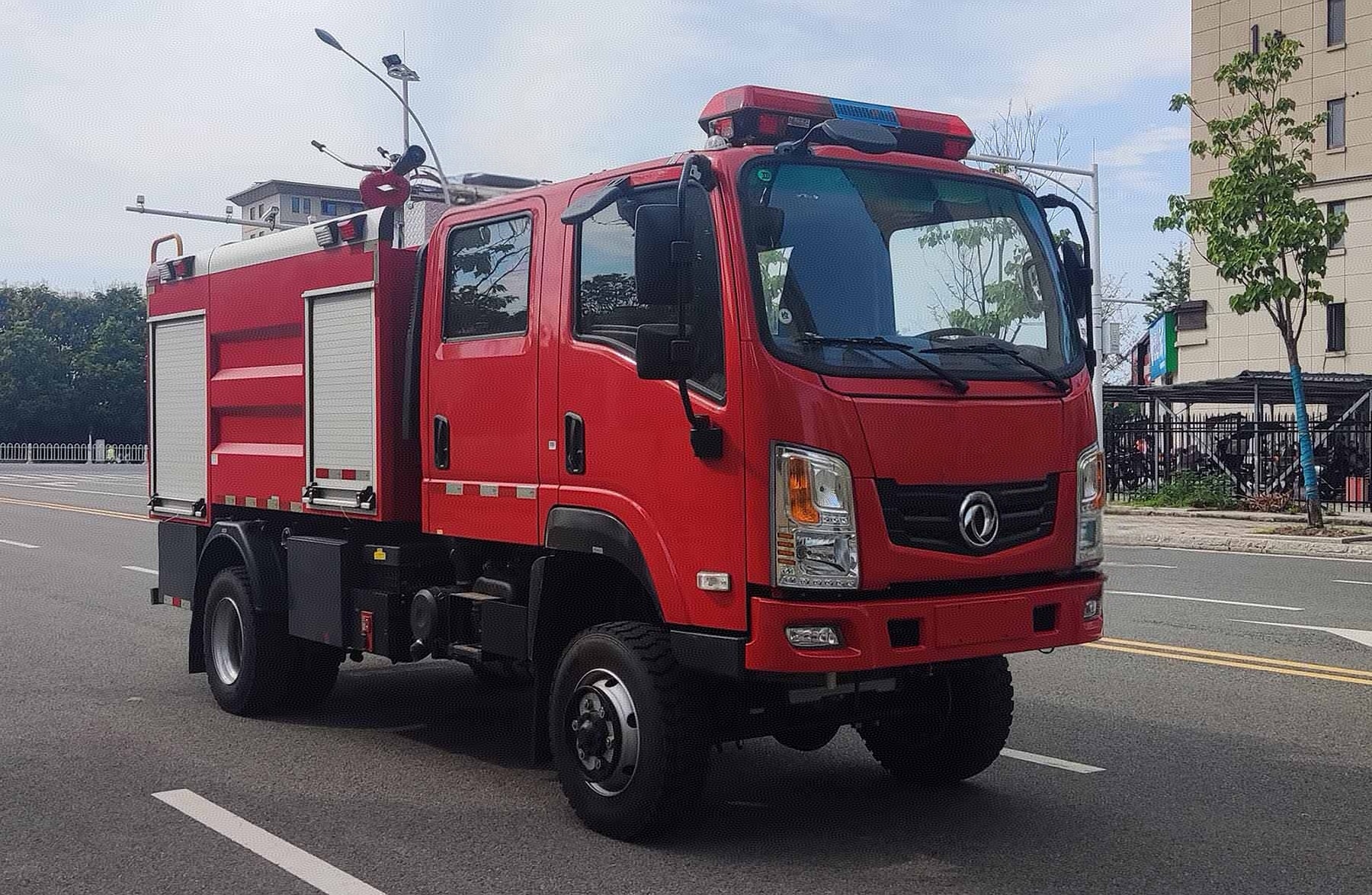
Types of Emergency Rescue Fire Trucks
Light Rescue Trucks
Light rescue trucks are smaller and more agile units that are perfect for quick-response operations. They are equipped with basic rescue tools, such as hydraulic spreaders and cutting tools, and are ideal for urban or suburban areas where rescue needs are less complex. These vehicles can quickly navigate through traffic and reach emergency scenes faster, making them an excellent first-responder choice for less severe emergencies.
Heavy Rescue Trucks
Heavy rescue trucks are large, robust vehicles designed for complex technical rescue situations. These trucks are equipped with advanced tools, including the "Jaws of Life," hydraulic rams, and heavy-duty lifting equipment. Heavy rescue trucks are often deployed in severe incidents, such as structural collapses or heavy vehicle extrications, and are typically staffed with specialized teams trained in high-risk rescues.
Advanced Life Support (ALS) Rescue Vehicles
ALS rescue vehicles are specially outfitted with advanced medical equipment, including cardiac monitors, defibrillators, and medications. These vehicles are crucial in providing life-saving interventions during emergencies, especially in cases of severe medical trauma, heart attacks, or strokes. ALS rescue units are typically manned by paramedics and other medical professionals, ensuring that immediate medical care is available at the scene of an emergency.
Urban Search and Rescue (USAR) Trucks
USAR trucks are designed for large-scale disaster response, such as after earthquakes or other major incidents where people are trapped under debris. These vehicles are equipped with specialized tools for confined space rescues, seismic sensors to detect trapped victims, and heavy-duty equipment such as cranes and winches. USAR trucks are essential for managing the aftermath of major disasters, providing search and rescue teams with the resources they need to save lives.
Key Equipment Found in Emergency Rescue Fire Trucks
Hydraulic Rescue Tools
Jaws of Life: Hydraulic rescue tools, also known as the Jaws of Life, are essential for extricating victims trapped in wrecked vehicles. These tools utilize hydraulic pressure to cut through reinforced metal and spread apart vehicle components. They are critical in accidents where doors or other parts are too deformed to be manually removed, ensuring quick access to trapped individuals.
Cutters and Spreaders: These specialized tools are used to cut through debris or pry apart objects to free victims from confined spaces, such as collapsed structures or wrecked vehicles. Hydraulic cutters feature sharp, strong blades capable of slicing through materials like steel, while spreaders help separate materials and create space for extraction.
Rescue and Medical Tools
Medical Kits: Emergency Rescue Fire Trucks are equipped with advanced medical kits that contain essential supplies, including bandages, splints, and medications, for stabilizing patients. These kits are designed to handle a variety of medical emergencies, ranging from minor injuries to life-threatening conditions, enabling responders to administer first aid and prevent further complications until the patient can be transported.
Stair Chairs and Stretchers: Stair chairs and stretchers are vital tools for evacuating victims from high-rise buildings or areas that are difficult to access. Stair chairs are designed with lightweight frames and ergonomic handles for maneuvering in narrow, confined spaces such as stairwells. Stretchers are used to safely transport victims, providing necessary support during evacuation in situations where medical attention is needed immediately.
Advanced Search and Rescue Tools
Thermal Imaging Cameras (TICs): Thermal Imaging Cameras (TICs) are used to detect heat signatures, enabling rescuers to locate victims in low-visibility conditions such as dark or smoke-filled environments. TICs are especially useful in fire and search-and-rescue operations, allowing responders to quickly identify the location of individuals trapped by smoke or debris, even if they are not visible to the naked eye.
Rope and High-Angle Rescue Gear: For rescues in high-rise buildings, cliffs, or other elevated environments, rope and high-angle rescue gear is essential. This equipment includes high-strength ropes, harnesses, and pulleys that allow rescuers to safely lower or retrieve victims from dangerous heights. Proper training in rope techniques is critical for ensuring both victim and rescuer safety during these challenging operations.
Training and Personnel Involved in Emergency Rescue Fire Truck Operations
Firefighter and Medical Training
Emergency Rescue Fire Trucks serve dual roles in both firefighting and medical emergencies, requiring personnel to have specialized training. Firefighters must be well-versed in rescue techniques, including extrication and high-angle rescues, while medical staff need certifications in advanced life support (ALS). Many firefighters also receive emergency medical technician (EMT) training, enabling them to provide both fire suppression and medical interventions during emergency situations.
Continuous Education and Drills
Given the complexity of rescue operations, continuous education is vital for emergency responders. Regular drills and training exercises ensure that crews are familiar with the latest rescue techniques and technologies. Simulation training is often used to prepare teams for real-life scenarios, ensuring that they are ready to respond effectively when emergencies occur.
Real-Life Applications of Emergency Rescue Fire Trucks
Vehicle Accidents
One of the most common scenarios for deploying an Emergency Rescue Fire Truck is vehicle accidents. These trucks are equipped with the necessary tools to extricate trapped individuals, such as hydraulic spreaders, cutters, and rams. Rescue teams can also provide immediate medical care to victims, ensuring that they are stabilized before being transported to a hospital.
Natural Disasters
During natural disasters like earthquakes, floods, or hurricanes, rescue fire trucks play a crucial role in locating and rescuing victims trapped under debris or in unsafe structures. These trucks are often the first to arrive on the scene, providing search and rescue teams with the equipment they need to perform life-saving operations.
Hazardous Material Incidents
Emergency Rescue Fire Trucks are equipped with specialized tools for dealing with hazardous material incidents, such as chemical spills or gas leaks. These trucks carry protective equipment, including chemical suits, decontamination tools, and sensors to detect dangerous substances, ensuring that responders can handle hazardous situations safely.
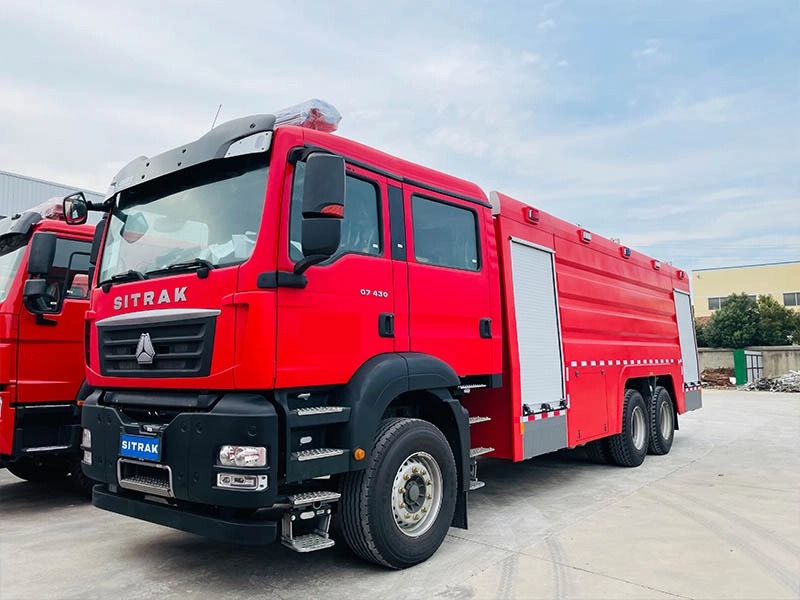
Technology Advancements in Emergency Rescue Fire Trucks
GPS and Navigation Systems
Advanced GPS systems are essential for ensuring that rescue fire trucks can reach emergency scenes as quickly as possible. By providing real-time traffic data and optimized route planning, GPS navigation helps minimize response times, allowing rescue teams to arrive at the scene faster.
Drones for Search and Rescue
Drones equipped with thermal imaging and high-definition cameras are increasingly being used in search and rescue operations. These unmanned aerial vehicles allow teams to survey large areas quickly, pinpointing the locations of victims who might be otherwise difficult to locate in large-scale emergencies.
Enhanced Communication Systems
Effective communication is crucial during emergency operations. Many Emergency Rescue Fire Trucks now come with integrated communication systems that enable seamless coordination between rescue teams, command centers, and other emergency responders. These systems improve response efficiency and ensure that vital information is shared in real-time.
Maintenance of Emergency Rescue Fire Trucks
Routine Inspections and Repairs
Routine inspections and repairs are vital for the longevity and reliability of Emergency Rescue Fire Trucks. These vehicles face extreme operational conditions, so it is crucial to follow a strict preventive maintenance schedule. Inspections should focus on hydraulic systems, communication tools, and medical equipment. Additionally, any worn-out parts like hoses or brakes must be promptly replaced. Adopting predictive maintenance technology, such as sensors for detecting potential equipment failures, can help prevent costly repairs and ensure the truck is fully functional when an emergency strikes.
Cleaning and Upkeep
Proper cleaning and upkeep are essential to maintain the effectiveness and safety of an Emergency Rescue Fire Truck. Rescue tools, medical equipment, and vehicle components should be cleaned regularly to avoid malfunctions caused by dirt or debris. For instance, hydraulic tools should be wiped clean to prevent the buildup of contaminants that could impair their function during rescues. Moreover, fire trucks should undergo corrosion prevention measures, especially in humid or saline environments, to prolong the life of both interior and exterior components.
Training for Maintenance Personnel
Training for maintenance personnel is crucial to ensure that Emergency Rescue Fire Trucks are always in peak condition. Technicians need to be skilled in troubleshooting and repairing various systems, including hydraulic, electrical, and mechanical components. Maintenance training should include knowledge of the latest tools and technologies, such as diagnostic software and mobile repair units, to speed up service. Continuous education in fire truck safety standards and repair protocols will not only enhance truck reliability but also reduce downtime and ensure quick readiness during emergencies.
Conclusion
Emergency Rescue Fire Trucks are essential in modern emergency response, providing a critical service during life-threatening situations. These specialized vehicles are equipped with advanced tools and technology to handle medical emergencies, vehicle extrications, and rescue operations during natural disasters. Yongan Fire Safety Group Co., Ltd. offers cutting-edge rescue fire trucks, ensuring that rescue teams are fully equipped and prepared to respond efficiently. Their commitment to quality and innovation makes their products an invaluable resource for emergency departments globally.
FAQ
Q: What is an Emergency Rescue Fire Truck?
A: An Emergency Rescue Fire Truck is a specialized vehicle designed to handle complex situations such as medical emergencies, vehicle extrications, and hazardous material incidents. It is equipped with advanced rescue tools and medical equipment to assist during emergencies.
Q: What are the main functions of an Emergency Rescue Fire Truck?
A: The key functions of an Emergency Rescue Fire Truck include providing immediate medical care, rescuing victims from vehicles or collapsed buildings, and managing hazardous material incidents. It ensures both public and responder safety during emergencies.
Q: How does an Emergency Rescue Fire Truck assist in vehicle accidents?
A: An Emergency Rescue Fire Truck uses hydraulic tools like the Jaws of Life to extricate trapped victims in vehicle accidents. It also provides emergency medical care to stabilize victims before transport to medical facilities.
Q: What equipment is found in an Emergency Rescue Fire Truck?
A: Emergency Rescue Fire Trucks carry hydraulic rescue tools, medical kits, thermal imaging cameras, and high-angle rescue gear. These tools help rescue victims, provide medical assistance, and locate individuals in challenging environments.
Q: Why is regular maintenance important for an Emergency Rescue Fire Truck?
A: Regular maintenance ensures that an Emergency Rescue Fire Truck remains fully operational during emergencies. It helps prevent equipment failure, ensuring that the vehicle and its tools are ready for quick deployment when needed.


