
E-mail:
xiny0207@gmail.com
Tel: +86-18225803110

Views: 0 Author: Site Editor Publish Time: 2026-01-13 Origin: Site


As wildfires become more frequent and intense, are we truly prepared to handle them? Forest fire trucks are essential tools for tackling wildfires, especially in difficult terrains. These specialized vehicles are equipped with powerful pumps, large water tanks, and off-road capabilities to manage the unique challenges posed by wildfires. However, with various types of fire trucks available, how do you choose the right one for your department’s needs? In this article, we will explore the different types of forest fire trucks, focusing on their features, ideal environments, and the key factors to consider when selecting a vehicle. By the end, you’ll have a clear understanding of which fire truck is best suited for different firefighting scenarios and how to make an informed decision based on terrain, fire size, and other critical factors.
NFPA 1900 is the standard that governs the design, performance, and equipment of fire trucks, ensuring that all vehicles meet minimum safety and operational requirements. The standards help guarantee that fire trucks are equipped for various emergency scenarios, from urban fires to wildland firefighting. These standardized classifications ensure that when a fire department requests support, they can expect specific features and capabilities. NFPA guidelines also foster consistency across regions, allowing fire departments to operate more efficiently during mutual aid situations, with clear expectations for truck specifications.
The NFPA uses several factors to classify fire trucks, including tank capacities, pump flow rates, GVWR (Gross Vehicle Weight Rating), personnel requirements, and equipment specifications. The tank capacity determines how much water a truck can carry, which is crucial for effective firefighting. Pump flow rates define the volume of water the truck can discharge per minute, impacting the truck’s ability to suppress fires quickly. GVWR is used to determine the maximum weight the truck can safely carry, while personnel requirements ensure that trucks can accommodate a specific number of firefighters, ensuring safety and operational efficiency during fire responses.
The NFPA classifies fire trucks into Types 1 through 7, with each type designed for specific firefighting scenarios. Types 1 and 2 are commonly used for structural firefighting, with Type 1 trucks designed for heavy-duty operations and Type 2 trucks more suitable for suburban environments. Types 3 through 7 are used for wildland firefighting, with each offering different levels of water capacity and pump flow rates. Wildland trucks, such as Type 3, 4, and 5, are designed for rugged terrains and remote areas, equipped with four-wheel drive to handle off-road conditions. These classifications ensure that fire departments have access to the appropriate vehicle for their needs.
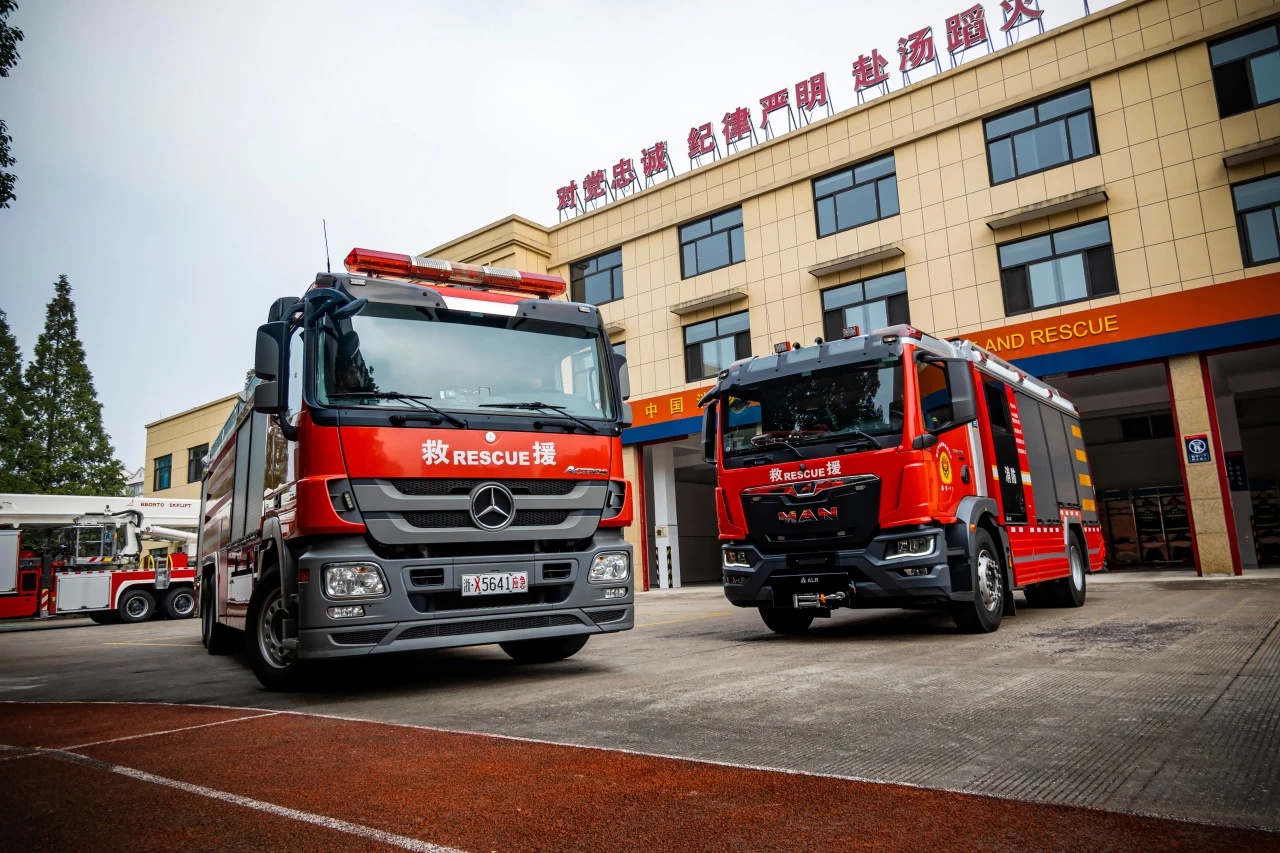
Type 1 fire trucks are designed for the most extreme firefighting operations. These trucks typically carry large water tanks (400-500 gallons) and are equipped with powerful pumps capable of delivering more than 1,000 GPM (gallons per minute). They are built for large-scale wildfires, offering the high water capacity and power needed to tackle massive fires quickly. Type 1 trucks are capable of carrying up to four firefighters, along with all the necessary equipment, such as hoses, nozzles, chainsaws, and self-contained breathing apparatus (SCBAs). Their heavy-duty build ensures stability and durability, making them ideal for demanding fire scenarios.
Type 1 trucks are best suited for wildfires in rugged, mountainous terrains, where fires can spread rapidly. They excel in extreme environments where fire suppression needs are immediate and massive. Their ability to transport large volumes of water over long distances is crucial in protecting structures in the wildland-urban interface (WUI), where urban areas meet wildland environments. While they are essential for large fires, their size can be a disadvantage in smaller, more confined spaces, as they are less agile than lighter vehicles.
Type 1 fire trucks are known for their powerful performance but are less mobile in challenging, narrow, or congested environments. Their large size provides the necessary stability for handling wildfires, but it also makes them less agile. They may struggle to navigate tight spaces or maneuver through dense vegetation, which can limit their effectiveness in areas where rapid, precise movement is necessary. However, in large-scale fires or areas where heavy equipment is required, Type 1 trucks are invaluable due to their ability to deliver significant amounts of water and support extensive firefighting operations.
Type 2 trucks are designed for more compact operations while still offering powerful firefighting capabilities. These trucks carry smaller water tanks, usually between 300-500 gallons, and feature pumps that deliver 500-1,000 GPM. They are ideal for urban and suburban areas, where maneuverability is key. Type 2 trucks are equipped with the essential firefighting tools like SCBAs, chainsaws, and ladders, enabling them to respond to vehicle accidents, rescue operations, and smaller fire incidents. Their smaller size makes them faster and more efficient in confined spaces than larger trucks, which makes them a valuable asset in densely populated areas.
Type 2 trucks are versatile and often serve as the first responders in urban and suburban environments. They are used for vehicle extrications, light firefighting, and rescue operations. Their smaller size allows them to reach locations that larger trucks cannot access, providing more efficient responses to smaller fires or accidents. Type 2 trucks can also assist in larger firefighting operations by providing initial fire suppression until more specialized equipment arrives. They are invaluable in urban environments where rapid deployment is critical.
Compared to Type 1 trucks, Type 2 trucks are more compact and agile, allowing them to navigate urban streets and narrow trails more easily. However, they have smaller water capacities and lower pump flow rates, which limits their ability to handle large-scale wildfires. While Type 1 trucks are designed for heavy-duty operations and larger fires, Type 2 trucks excel in urban firefighting and rescue tasks, offering more flexibility in city environments. They are more affordable to maintain and operate, making them a cost-effective choice for smaller fire departments.
Type 3 trucks are designed for wildland firefighting and are built with off-road capabilities, making them suitable for tackling fires in remote, rugged areas. These trucks typically carry a 500-gallon water tank and are equipped with a pump capable of delivering 150 GPM at 250 psi. They feature four-wheel drive systems, allowing them to access difficult terrains and narrow trails. Type 3 trucks are ideal for initial fire suppression in wildland areas, as well as for extended firefighting efforts where access to larger vehicles may be limited.
Type 3 trucks are most commonly used in wildland firefighting operations, especially in rural and forested areas. They are ideal for initial attack missions, where quick deployment is necessary to contain fires before they spread. Their ability to navigate difficult terrain makes them an excellent choice for areas with limited road access. Type 3 trucks are also frequently used in creating fire breaks, clearing brush, and protecting infrastructure in the wildland-urban interface. Their versatility makes them indispensable for wildland fire suppression and rescue operations in remote regions.
Understanding the differences between various types of forest fire trucks is crucial for effective fire management. The following table compares the key features, applications, and specifications of Type 1 and Type 3 fire trucks, helping you make an informed decision based on your department’s specific needs.
| Category | Type 1 Forest Fire Truck | Type 3 Forest Fire Truck |
|---|---|---|
| Features | Heavy-duty design with large water tanks (400-500 gallons) and powerful pumps (>1000 GPM). Suitable for large-scale fires. | Off-road capabilities with four-wheel drive; designed for remote wildland firefighting. Equipped with a 500-gallon water tank and 150 GPM pump. |
| Water Capacity | 400-500 gallons | 500 gallons |
| Pump Flow Rate | Over 1000 GPM | 150 GPM at 250 psi |
| Off-road Capability | Limited off-road capabilities; more suited for urban and less rugged environments. | Four-wheel drive system, designed for rugged and difficult terrains with narrow trails. |
| Performance | Powerful, effective in large-scale fires. Ideal for quickly suppressing massive fires in challenging environments. | Versatile and ideal for initial attack and extended firefighting operations in remote and rugged wildland areas. |
| Maneuverability | Low maneuverability in tight or narrow spaces. Struggles in congested areas but excels in large open areas. | Highly maneuverable; can easily access difficult terrains and narrow trails, making it ideal for confined spaces. |
| Applications | Used for large-scale wildfires in rugged environments; ideal for urban-forest interface (WUI). | Best for initial fire suppression, clearing brush, and protecting infrastructure in wildland-urban interface. |
| Ideal Environments | Best suited for massive fires in mountainous, forested, and rugged areas where large volumes of water are needed. | Ideal for wildland environments, rural areas, and hard-to-reach fire zones where accessibility is limited. |
| Crew Size | Typically carries up to 4 firefighters and essential equipment like chainsaws, hoses, and SCBAs. | Usually carries 2-3 firefighters; more suited for quick-response missions with a lighter crew. |
| Weight and Size | Large, heavy-duty with a high GVWR. Designed for stability and durability in extreme environments. | Smaller and lighter than Type 1, offering better access to narrow spaces and rugged terrains. |
| Safety Features | Equipped with SCBA (Self-Contained Breathing Apparatus), fire-resistant cabins, and heavy-duty protective systems. | Standard safety features, including fire-resistant cabins, and designed for off-road firefighting operations. |
| Effectiveness in Large-Scale Fires | Extremely effective in handling large, intense fires and providing sustained suppression. | Less effective in large-scale fires due to smaller water tanks and lower pump capacity. Best for initial suppression. |
| Technical Specifications | - Water Tank: 400-500 gallons - Pump: 1,000+ GPM - GVWR: High for durability - Four-wheel drive: Limited |
- Water Tank: 500 gallons - Pump: 150 GPM at 250 psi - GVWR: Moderate for off-road use - Four-wheel drive: Yes |
| Maintenance Considerations | High maintenance due to large size and heavy-duty components. Requires specialized parts and repair. | Lower maintenance compared to Type 1, but still requires attention to off-road components. |
| Cost Considerations | Higher initial cost due to size and capacity; higher operational costs. | More affordable than Type 1, lower maintenance cost, but still provides reliable wildfire suppression. |
Tip: If your area faces large, fast-spreading wildfires in rugged terrains, Type 1 trucks are your best option. However, for quick deployment in remote locations with less intense fires, Type 3 trucks provide agility and sufficient firefighting capacity.
Type 4 trucks are designed for wildland firefighting, offering a larger water tank than Type 3 trucks (typically around 750 gallons). They have a lower pump capacity, delivering 50 GPM at 100 psi, but are ideal for providing extended firefighting capabilities in areas where larger vehicles cannot reach. Type 4 trucks are equipped with four-wheel drive systems, enabling them to access rugged terrains. They are smaller and more maneuverable than Type 3 trucks, making them effective in areas where quick access is necessary.
Type 4 trucks are ideal for situations in the wildland-urban interface (WUI), where urban areas meet forested regions. Their large water tanks provide the ability to suppress fires in areas with limited access to water. These trucks are effective for both large-scale fire suppression and smaller, tactical firefighting operations. Their maneuverability allows them to navigate narrow urban roads and steep forest trails, providing quick and effective firefighting solutions in mixed-use environments.
When comparing Type 4, Type 3, and Type 5 forest fire trucks, it's essential to understand their features, performance, and ideal applications. The following table provides a detailed comparison to help you choose the best option for your department.
| Category | Type 4 Forest Fire Truck | Type 3 Forest Fire Truck | Type 5 Forest Fire Truck |
|---|---|---|---|
| Features | Offers a balance between power and maneuverability with a 750-gallon water tank and lower pump capacity (50 GPM). | Designed for off-road use with a 500-gallon water tank and a pump capable of delivering 150 GPM at 250 psi. | Smallest of the three, with a 300-gallon water tank and lower pump capacity, suitable for light tasks. |
| Water Capacity | 750 gallons | 500 gallons | 300 gallons |
| Pump Flow Rate | 50 GPM at 100 psi | 150 GPM at 250 psi | 50 GPM |
| Off-road Capability | Four-wheel drive system for rugged terrains, more maneuverable than Type 3 but less agile than Type 5. | Four-wheel drive system designed for remote areas with narrow trails and difficult terrain. | Four-wheel drive system, highly maneuverable, but less suited for large-scale fire suppression. |
| Performance | Offers more firefighting power than Type 5, but is less agile than Type 3. Ideal for areas requiring both maneuverability and larger water tanks. | Highly maneuverable, designed for wildland firefighting in rugged terrain. Best for initial attack missions. | Best for light firefighting tasks and initial attack, with quick mobility in smaller, less intense fires. |
| Maneuverability | More mobile than Type 5 but less agile than Type 3. Suitable for moderate terrain where access to water is needed. | Highly maneuverable, ideal for accessing narrow and rough trails in wildland areas. | Extremely agile, perfect for small fires in narrow spaces and fast deployment in confined areas. |
| Applications | Used for larger fires in areas with a combination of moderate terrain and infrastructure at risk. | Ideal for initial attacks and extended firefighting efforts in remote, wildland areas. | Suited for small fires, initial attack missions, and areas where rapid deployment is required. |
| Ideal Environments | Best for wildland-urban interface areas where moderate terrain and fire size require both capacity and mobility. | Best for remote wildland environments with limited access, where quick access and agility are crucial. | Best for rural areas or lighter fires where quick response and maneuverability are required. |
| Crew Size | Typically carries 2-3 firefighters and essential firefighting equipment. | Typically carries 2-3 firefighters and essential firefighting tools. | Typically carries 2 firefighters, designed for rapid response with minimal crew. |
| Weight and Size | Moderate size; larger than Type 5 but smaller than Type 3. Offers a good balance between capacity and accessibility. | Smaller and more compact than Type 4; built for access to tight, remote locations. | Smallest in size, designed for extreme maneuverability and rapid deployment. |
| Safety Features | Equipped with fire-resistant cabins and standard safety features, designed for off-road use. | Standard safety features for wildland firefighting operations, including fire-resistant cabins and SCBA. | Equipped with basic safety features for off-road use and wildland firefighting. |
| Effectiveness in Large-Scale Fires | More effective than Type 5, providing longer-lasting suppression in moderate fire environments. | Effective in initial suppression but not as capable in large-scale wildfires as Type 4 or Type 1 trucks. | Less effective in large-scale fires due to smaller water capacity and pump flow rate. |
| Technical Specifications | - Water Tank: 750 gallons- Pump: 50 GPM- Four-wheel drive: Yes- GVWR: Moderate for off-road use | - Water Tank: 500 gallons- Pump: 150 GPM at 250 psi- Four-wheel drive: Yes- GVWR: Moderate | - Water Tank: 300 gallons- Pump: 50 GPM- Four-wheel drive: Yes- GVWR: Low |
| Maintenance Considerations | Moderate maintenance requirements; off-road capabilities add complexity to repairs. | Regular maintenance required for off-road components. | Minimal maintenance, ideal for quick deployment but requires careful upkeep of lightweight components. |
| Cost Considerations | Moderate initial cost; balances power and maneuverability for departments needing versatile vehicles. | Affordable compared to Type 4, with good firefighting capabilities at a lower price point. | Least expensive, designed for quick-response units with low operational costs. |
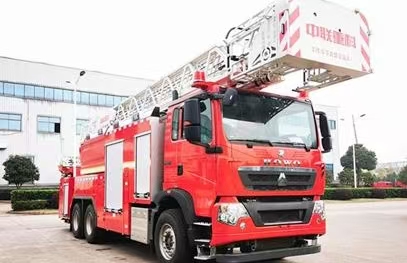
Type 5 trucks are designed for lighter tasks, with a water tank capacity of approximately 300 gallons. These trucks are compact and highly maneuverable, allowing them to reach remote areas and narrow trails. Although they are smaller and have lower pump capacities compared to larger trucks, Type 5 trucks are effective for small fires and initial attack operations. They are also cost-effective, making them a practical choice for fire departments with budget constraints.
Type 6 trucks are even smaller than Type 5, with a water tank capacity of 150 gallons. They are highly mobile and ideal for quick-response tasks in difficult-to-reach areas. While their water capacity is limited, their ability to reach narrow paths and quickly suppress small fires makes them an invaluable tool for initial firefighting efforts. Type 6 trucks are often used in remote wildland areas and for smaller brush fires.
Type 7 trucks are the smallest in the fleet, designed to access areas where no other truck can fit. They carry only 50 gallons of water but are crucial for wildfire management in highly restricted areas. Their small size allows them to maneuver through tight spaces, such as narrow trails and dense forests. Despite their size, Type 7 trucks are equipped to provide initial attack capabilities and support larger vehicles in firefighting efforts.
| Category | Type 5 Forest Fire Truck | Type 6 Forest Fire Truck | Type 7 Forest Fire Truck |
|---|---|---|---|
| Features | Designed for lighter tasks with a water tank capacity of approximately 300 gallons. Highly maneuverable for remote areas. | Even smaller than Type 5, with a 150-gallon water tank. Ideal for quick-response tasks in difficult-to-reach areas. | Smallest truck with only 50 gallons of water. Designed to access extremely narrow spaces where larger vehicles cannot fit. |
| Water Capacity | 300 gallons | 150 gallons | 50 gallons |
| Pump Flow Rate | Lower pump capacity compared to larger trucks, but effective for small fires and initial attack. | Lower pump capacity, designed for initial attack in smaller fires. | Smallest pump flow, designed for initial attack and support in tight spaces. |
| Off-road Capability | Compact and highly maneuverable; can reach remote areas and narrow trails. | Highly mobile, designed for quick deployment in challenging terrains. | Extreme access capability, able to navigate tight spaces like narrow trails and dense forests. |
| Performance | Effective for small fires and initial attack operations, offering a good balance of capacity and agility. | Best for quick-response tasks in remote wildland areas, ideal for smaller brush fires. | Crucial for wildfire management in extremely restricted areas, providing initial suppression in hard-to-reach zones. |
| Maneuverability | Excellent maneuverability in remote areas, ideal for smaller fires in open or rugged terrains. | Best mobility among the three, ideal for accessing narrow paths and dense forests. | Most agile, capable of accessing areas that other trucks cannot reach, perfect for tight spaces. |
| Applications | Suitable for small fires, initial attack operations, and areas with limited access. | Suited for remote areas, smaller brush fires, and initial attack in confined spaces. | Used for extreme access situations, such as narrow trails, dense forests, and difficult-to-reach areas. |
| Ideal Environments | Best for rural areas and light wildfires, providing effective initial suppression. | Ideal for wildland areas with narrow trails or dense vegetation, especially for smaller fires and brush control. | Perfect for areas with limited access, such as narrow trails, thick forests, or spaces where larger vehicles can't operate. |
| Crew Size | Typically carries 2 firefighters and necessary firefighting equipment. | Typically carries 2 firefighters, designed for smaller crews and quick deployment. | Typically carries 2 firefighters, designed for minimal crew in tight spaces. |
| Weight and Size | Compact and lightweight, offering a balance of power and accessibility. | Smaller than Type 5, offering more mobility but with a reduced water tank size. | Smallest and most lightweight of the three, designed for navigating extreme environments with minimal load. |
| Safety Features | Standard safety features such as fire-resistant cabins, SCBA, and off-road capabilities. | Equipped with basic safety features, including fire-resistant cabins and off-road equipment. | Basic safety features designed for off-road and confined space operations, including fire-resistant cabins. |
| Effectiveness in Large-Scale Fires | Not effective for large-scale fires due to lower water capacity and pump flow rate. Best for initial suppression. | Less effective in large-scale fires; ideal for early-stage suppression and small fires. | Not suitable for large-scale fires; primarily used for initial suppression in areas that other trucks cannot reach. |
| Technical Specifications | - Water Tank: 300 gallons- Pump: Lower capacity- Four-wheel drive: Yes- GVWR: Moderate | - Water Tank: 150 gallons- Pump: Lower capacity- Four-wheel drive: Yes- GVWR: Low | - Water Tank: 50 gallons- Pump: Smallest capacity- Four-wheel drive: Yes- GVWR: Very low |
| Maintenance Considerations | Relatively low maintenance; suitable for fire departments with budget constraints. | Requires regular maintenance for off-road capabilities. | Low maintenance due to its smaller size, but requires careful attention to off-road components. |
| Cost Considerations | Cost-effective, suitable for fire departments with smaller budgets. | More affordable than larger vehicles, while still providing effective wildfire suppression. | Most affordable, ideal for quick-response and small-scale operations. |
Hybrid and electric fire trucks are emerging as more sustainable alternatives to traditional diesel-powered trucks. These vehicles offer improved fuel efficiency, reduced emissions, and quieter operation, which is especially beneficial in sensitive environments like forests. Although still in the early stages of adoption, electric fire trucks offer promising benefits in reducing environmental impact while maintaining operational capabilities.
Thermal imaging cameras and environmental sensors integrated into forest fire trucks allow for real-time detection of hotspots and fire behavior. These technologies improve situational awareness and help firefighting teams prioritize their efforts, leading to more effective fire suppression. Thermal imaging is particularly useful for detecting hidden fires in dense vegetation or structures, allowing firefighters to act swiftly and reduce the risk of uncontrolled fires.
Remote-controlled firefighting vehicles (UGVs) are a significant innovation in fire suppression technology. These unmanned vehicles can enter hazardous areas where it is too dangerous for human crews, such as areas with active flames or unstable structures. Equipped with pumps and firefighting tools, these vehicles can operate autonomously or be remotely controlled, providing an additional layer of safety and efficiency in firefighting operations.
Forest fire trucks have been equipped with improved cabin designs, including heat-resistant materials and better ventilation systems, to enhance crew protection. These safety features help protect firefighters from extreme temperatures and reduce the risk of heatstroke during long operations in high-risk environments. With enhanced crew protection, fire departments can ensure that their teams remain safe and effective throughout the firefighting process.
When selecting a forest fire truck, it’s essential to consider the local terrain. Fire departments serving mountainous or forested areas require trucks with high ground clearance and four-wheel drive systems to access remote locations. Departments in urban areas may prioritize maneuverability and compact size to navigate tight spaces and busy streets.
Selecting the right water capacity is crucial. Larger water tanks are necessary for handling larger fires, but they also increase the vehicle’s size and weight. Departments must balance the water capacity with the number of firefighters the truck can carry, ensuring that the vehicle is adequately equipped for both suppression and rescue tasks.
Long-term maintenance costs and customization options should be key factors when choosing a fire truck. Fire departments should select trucks that offer flexibility to meet evolving needs, such as adding more equipment or upgrading systems. Additionally, budget constraints should be considered to ensure the vehicle provides value over its lifespan.
Choosing the right Forest Fire Truck is essential for ensuring that fire departments are well-equipped to tackle the challenges posed by wildfires. Each type of truck offers unique advantages, from large, powerful Type 1 trucks for major fires to the compact and agile Type 7 trucks for narrow, hard-to-reach areas. By understanding the capabilities of each type, fire departments can make informed decisions to enhance their wildfire response efforts. Yongan Fire Safety Group Co., Ltd. offers a range of forest fire trucks that combine cutting-edge technology and durability to meet the demands of various firefighting scenarios. Their products are designed for efficiency, providing the necessary features to ensure effective fire suppression in challenging environments.
A: Forest Fire Trucks are classified into seven types, each designed for specific firefighting scenarios. Types 1 to 3 are used for large-scale wildfires, while Types 4 to 7 are smaller, more agile trucks ideal for smaller fires and remote areas.
A: When choosing a Forest Fire Truck, consider the terrain, fire size, and water capacity. Larger trucks like Type 1 are best for big wildfires, while smaller trucks like Type 7 excel in tight, hard-to-reach areas.
A: Type 3 Forest Fire Trucks are multifunctional vehicles used for initial suppression in wildland areas. They offer good mobility and are ideal for remote, rugged terrains.
A: Type 5 Forest Fire Trucks are smaller and more affordable. They are designed for light tasks and rapid response, making them a budget-friendly option for smaller fire departments.
A: While Forest Fire Trucks are mainly used for wildland fires, Type 2 trucks are more suited for urban environments, offering flexibility for both structural and wildland firefighting.


