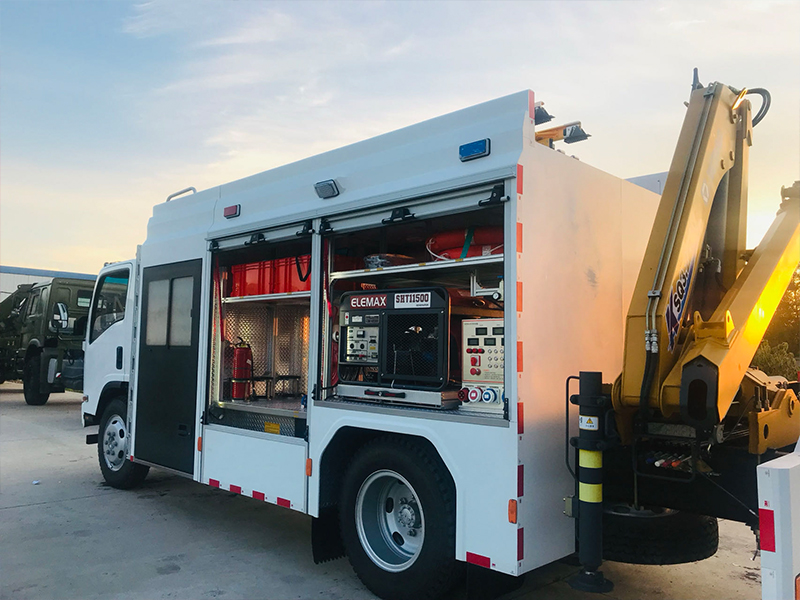
Every second counts when lives hang in the balance. Modern fire departments face an evolving landscape of complex emergencies daily. You need reliable apparatus capable of handling diverse scenarios ranging from severe vehicle extrications to specialized technical rescues. Selecting the right equipment dictates your tactical readiness on the ground.
Departments often struggle to match their operational demands with the specific capabilities of different apparatus profiles. Choosing poorly can severely limit storage capacity, hamper vehicle maneuverability, and compromise safety during critical responses. You simply cannot afford to deploy an ill-equipped unit when complex rescue operations require immediate, flawless execution.
We will explore essential strategies for evaluating your department's specific operational needs. You will learn how to distinguish various apparatus categories, analyze incident dispatch data, and apply vital industry compliance standards. This guide equips you with practical steps to finalize your procurement specifications confidently and ensure optimal fleet readiness.
Understanding the Role of an Emergency Rescue Apparatus
You must first clarify the vehicle's primary operational mission. Traditional fire engines primarily carry water, hoses, and large volume pumps. Conversely, rescue units serve as specialized rolling toolboxes. They transport vital life-saving equipment necessary for highly complex scenarios. Frontline personnel rely on them for heavy vehicle extrication, confined space operations, structural collapses, and high-angle rope rescues.
An optimally configured Emergency Rescue Fire Truck bridges the crucial gap between basic medical response and heavy-duty firefighting. We see many departments confusing these definitions in the field. They sometimes overburden a standard engine rather than deploying a dedicated rescue unit. This approach clutters the engine compartments and makes rapid tool deployment extremely difficult.
Properly defining the apparatus role ensures much better response times. It allows crews to organize equipment logically. Dedicated rescue units carry specialized pneumatic struts, heavy hydraulic spreaders, and extensive cribbing materials. You isolate these specialized tools from the wet environment of a typical pumper. This separation protects sensitive electronic monitoring gear and delicate rope rescue systems.
Classifying Rescue Vehicles for Your Department
Fire rescue apparatus generally fall into distinct categories based on size, weight, and payload capacity. You must understand these classifications to align the vehicle with your district's specific hazards. Selecting an oversized truck for a dense urban environment creates immediate navigational challenges.
Light Rescue Units: Manufacturers build these on standard commercial truck chassis. They offer excellent maneuverability in tight city streets. They carry basic extrication tools, medical gear, and traffic control equipment. These units excel at rapid response for everyday motor vehicle collisions.
Medium Rescue Units: These bridge the gap effectively. They utilize larger commercial cabs or small custom fire chassis. They provide significantly more compartment space for specialized tools. Medium units handle moderate technical rescues without the massive footprint of heavier trucks.
Heavy Rescue Units: These massive vehicles require custom chassis designs. They carry extensive structural collapse lumber, massive cascade air systems, and heavy-duty frame-mounted winches. Heavy units respond to large-scale industrial accidents and catastrophic structural failures.
We recommend a systematic approach when choosing between these categories. First, evaluate your historical incident logs. Second, assess the geographical constraints of your response district. Third, calculate the exact payload weight of your intended equipment inventory. Implementing this methodical framework prevents dramatic over-specification.
Analyzing Typical Call Volumes and Operational Needs
Departments must match apparatus capabilities strictly to actual deployment data. Many agencies routinely dispatch massive heavy rescue units to minor medical calls. This creates unnecessary operational strain and accelerates vehicle wear. A much better approach involves analyzing computer-aided dispatch (CAD) records thoroughly.
You can identify the most frequent emergency types through CAD analysis. A smaller, highly agile fire rescue vehicle makes operational sense if your data shows mostly basic medical responses and minor collisions. It maneuvers easily through congested traffic and requires a much smaller footprint at the incident scene.
Best Practice: Always base your primary apparatus design on your 90th percentile call type. Design the truck for the emergencies you face every single week, not just the rare decade-level disasters.
Common Mistake: Designing an overly complex truck for every conceivable catastrophic scenario while completely ignoring daily operational friction. This mistake produces a vehicle too cumbersome for daily use.
Chart: Operational Assessment Matrix
Primary Incident Type
Frequency Level
Ideal Apparatus Classification
Core Equipment Focus
Basic Medical / Minor Traffic
High (70-80%)
Light Rescue
EMS gear, traffic cones, basic hand tools
Highway Extrication
Medium (15-20%)
Medium Rescue
Hydraulic tools, struts, cribbing
Trench / Structural Collapse
Low (1-5%)
Heavy Rescue
Shoring lumber, cutting torches, cascade air
Standardizing Safety and Compliance in Apparatus Design
Compliance ensures operational safety and long-term reliability. The National Fire Protection Association (NFPA) provides comprehensive consensus standards for the fire service. NFPA 1900 formally governs automotive fire apparatus. Adhering to these stringent standards protects your personnel aggressively. It guarantees baseline performance metrics across all vehicle systems.
You must consider interior seating arrangements, specialized restraint systems, and rollover protection structures. Equipment mounting requires incredibly rigorous testing. Loose heavy tools easily become deadly projectiles during high-speed collisions. You must use certified brackets tested for significant G-forces.
We advise departments to validate all gross vehicle weight ratings (GVWR) meticulously. Ensure the chassis can actually handle fully loaded compartments plus the weight of a fully dressed crew. Overloaded vehicles suffer from extended braking distances and dangerous body roll. Consulting directly with certified engineers during the specification phase eliminates these critical safety risks entirely.
Evaluating Multi-Purpose vs. Specialized Rescue Units
Many departments actively debate the merits of dedicated heavy rescues versus multi-purpose rescue pumpers. A rescue pumper uniquely combines heavy water pumping capabilities with extensive tool storage. This hybrid approach offers tremendous tactical flexibility. You can fight structural fires and handle complex vehicle extrications simultaneously using a single apparatus.
However, this multi-purpose approach inherently compromises total compartment space. The water tank and complex plumbing consume valuable real estate. Dedicated rescue units, conversely, utilize every square inch solely for specialized gear storage. They offer walk-in bodies or extensive exterior compartments unavailable on pumpers.
Selecting a dedicated rescue fire truck makes sense for larger departments operating specialized technical rescue teams. Smaller departments often prefer the rescue pumper concept to maximize utility across varied calls. You must weigh the trade-offs based strictly on your staffing models and mutual aid agreements.
Table: Rescue Pumper vs. Dedicated Heavy Rescue Comparison
Feature / Capability
Multi-Purpose Rescue Pumper
Dedicated Heavy Rescue
Fire Suppression
Full capability (Pump and Tank)
None or very minimal
Tool Storage Volume
Moderate (Compromised by water tank)
Maximum (Full body utilization)
Walk-in Body Option
Rarely possible
Highly common for rehab or command
Maneuverability
Generally better (Shorter wheelbase)
Challenging (Longer wheelbase, tandem axles)
Primary Mission Focus
First-due all-hazards response
Specialized technical rescue operations
Optimizing Compartment Layouts and Equipment Mounting
Storage architecture fundamentally defines the vehicle's utility on the fireground. Every single tool must have a designated, logical home. Transverse compartments spanning the entire width of the body allow rapid access from both sides. This feature speeds up tool deployment significantly during hazardous highway incidents.
Heavy-duty slide-out trays reduce ergonomic strain for your personnel. Swing-out tool boards maximize vertical storage space efficiently. You should group equipment logically based on deployment sequencing. Place frequently used, heavy extrication tools on lower shelves. Keep specialized, lightweight rope rescue hardware higher up in the compartments.
Audit your existing equipment inventory completely.
Measure the dimensions and weight of all oversized tools.
Design compartments specifically around bulky items like hydraulic pumps and stokes baskets.
Specify adjustable shelving tracks to allow future layout modifications.
Incorporate specialized mounting brackets to secure tools tightly.
We highly recommend utilizing professional custom mounting solutions. They prevent equipment damage during rough transit. A well-organized compartment allows firefighters to locate critical tools blindly in the middle of the night. This organizational discipline directly translates to faster rescue times.
Power Generation and Scene Lighting Requirements
Nighttime operations consistently demand superior scene visibility. Modern rescue units rely heavily on advanced LED technology. These specific lights draw significantly less power but deliver incredibly intense, daylight-quality illumination. You must specify adequate power generation to support these arrays.
PTO (Power Take-Off) generators offer highly robust performance. They run directly off the apparatus transmission. Hydraulic generators provide another exceptionally reliable option. They require minimal space and operate quietly. Both options supply clean, consistent power for sensitive electronics, specialized cutting tools, and massive lighting arrays.
Consider specifying heavy-duty light towers mounted directly on the cab roof. They elevate quickly and illuminate wide operational zones efficiently. Proper lighting enhances scene safety dramatically by revealing trip hazards and stabilizing the working environment for paramedics and rescue technicians.
Integrating Advanced Ergonomics and Crew Comfort
Firefighters endure extreme physical stress during prolonged operations. Apparatus design must prioritize their long-term well-being and safety. Cab climate control requires highly robust HVAC systems capable of cooling a fully geared crew rapidly. Walk-in bodies inside heavy rescues often provide a climate-controlled sanctuary for vital crew rehabilitation.
Interior seating must comfortably accommodate bulky turnout gear and communications equipment. SCBA (Self-Contained Breathing Apparatus) brackets should allow quick, seamless donning while seated. Exterior design elements also matter greatly. Lower hose beds, integrated handrails, and automated slide-out steps reduce climbing injuries significantly.
Ergonomics directly impact your department's long-term operational readiness. Poorly designed trucks lead to chronic back injuries and dangerous slips. You protect your team effectively by prioritizing these critical human-centric details during the final specification process.
Conclusion
Choosing the ideal apparatus requires a delicate balance of data analysis, ergonomic planning, and strict compliance. You must match your vehicle's capabilities to your district's most frequent operational realities. A well-designed rescue unit serves as a critical force multiplier for your personnel.
Audit your current CAD dispatch data to determine actual deployment needs.
Consult your frontline personnel regarding specific compartment layouts and tool mounting.
Draft your specifications based strictly on daily operational realities, not rare anomalies.
Partner exclusively with experienced manufacturers who demonstrate deep knowledge of NFPA standards.
Prioritize crew ergonomics and safety systems above decorative elements.
Start your procurement process by forming an internal apparatus committee today. Gather your historical incident data, inventory your existing specialized tools, and begin sketching the functional footprint required to elevate your department's rescue capabilities.
FAQ
Q: What is the main difference between an engine and a rescue apparatus?
A: An engine primarily carries a large water tank, hoses, and a high-capacity pump for fire suppression. A rescue apparatus focuses strictly on carrying specialized tools, extrication gear, and technical rescue equipment. Rescues rarely carry significant water or pumping capabilities.
Q: How do we determine if we need a light or heavy rescue unit?
A: Analyze your typical incident responses. If you mostly handle minor traffic collisions and EMS calls, a highly maneuverable light rescue suffices. If your district features heavy industry, extensive highway networks, or complex structural collapse risks, a heavy rescue becomes necessary.
Q: Why is NFPA 1900 compliance critical for new apparatus?
A: NFPA 1900 establishes the baseline safety and performance standards for fire apparatus. Compliance ensures the vehicle features proper rollover protection, certified seatbelts, safe equipment mounting, and adequate braking power. Non-compliant vehicles pose severe safety risks to operators and crews.
Q: Can a rescue pumper effectively replace a dedicated heavy rescue?
A: It depends on your department's size. Rescue pumpers offer great multi-purpose utility but sacrifice significant compartment space for the water tank and pump. They cannot carry the massive amount of specialized cribbing and shoring equipment found on dedicated heavy rescue units.
Q: What is the best way to organize rescue compartments?
A: Group equipment by operational function rather than tool type. Place frequently used, heavy extrication tools on lower, slide-out trays. Utilize transverse compartments for items needed on both sides of the vehicle. Always use certified brackets to secure every single item tightly.