
E-mail:
xiny0207@gmail.com
Tel: +86-18225803110

Views: 0 Author: Site Editor Publish Time: 2025-12-30 Origin: Site


Choosing the right Foam Fire Truck system can make all the difference in an emergency. With the right foam, your department can suppress fires more effectively while reducing water usage. In this article, we will discuss how to select the best Foam Fire Truck system for your needs. You'll learn about different foam types, proportioning systems, and key considerations to ensure your department is equipped for any situation.
When selecting the appropriate foam system, understanding the different types of fires is crucial. The table below provides a detailed comparison between Class A and Class B fires, covering aspects such as application, effects, technical specifications, and safety considerations to help fire departments make informed decisions based on their needs.
| Attribute | Class A Fires (Solid Material Fires) | Class B Fires (Liquid Fires) |
|---|---|---|
| Fire Type | Solid materials like wood, paper, and cloth | Flammable liquids like gasoline, oil, alcohol, etc. |
| Application | Primarily for residential, wildland, and structural fires | Mainly for chemical, oil, gasoline, alcohol, and other liquid fires |
| Foam System Requirements | Enhances water penetration by reducing surface tension | Forms a vapor-suppressing blanket to prevent reignition |
| Foam Type | Class A foam (Low concentration 0.1% - 1%) | Class B foam (High concentration 1% - 6%) |
| Technical Specifications | Low-concentration foam systems suitable for high water penetration | High-concentration foam systems to rapidly cover liquid fires and cut off oxygen |
| Effect | Improves water penetration, quickly suppresses flames, reduces water usage | Quickly forms foam layer, suppresses liquid fire vapors, prevents reignition |
| Foam Concentration | 0.1% - 1% (for various types of solid fires) | 1% - 6% (for liquid fires, especially volatile liquids) |
| Safety Considerations | Environmentally friendly, minimizes water contamination | Some foams (like AFFF) contain PFAS, which require special environmental care |
| Technical Notes | Ensure foam concentration is appropriate to avoid waste | Choose proper foam accessories (e.g., selectable nozzles) to ensure foam effectiveness |
| Suitable Equipment | Generally compatible with standard firefighting hoses and nozzles, low-flow equipment | Requires high-flow equipment; using Compressed Air Foam Systems (CAFS) is more effective |
Tip: For Class B fires, especially those involving alcohol-based fuels, it is crucial to select foam systems with alcohol-resistance (AR) to significantly improve firefighting efficiency.
Flammable liquid fires, such as those involving gasoline, oil, or ethanol, need foam systems that can create a blanket over the liquid to suppress vapors and stop the fire from spreading. The foam system used in these situations should be compatible with hydrocarbon or polar solvents to prevent the foam from being ineffective or destroyed by the burning liquids.
Departments in wildland, industrial, or residential areas face different challenges. Wildland fires may require higher flow rates and faster foam application, while industrial or chemical hazards might necessitate specialized foam types, such as alcohol-resistant foams. Understanding the typical hazards in your area ensures that your foam system is tailored for quick and efficient action.
Class A foams are designed for solid materials and are typically used at a concentration of 0.1% to 1%. These foams are effective at breaking down the surface tension of water, allowing it to penetrate deep into the fuel and extinguish the fire. They are especially useful for wildland fires and structural fires involving wood, paper, or other combustible materials.
Class B foams are used for flammable liquids, including hydrocarbons like gasoline, oil, and alcohol-based fuels. These foams form a blanket on the surface of the liquid to suppress vapors and prevent reignition. The concentration for Class B foam systems typically ranges from 1% to 3%, depending on the type of foam and the severity of the fire.
When choosing between Fluorine-Free Foam (FFF) and Traditional Aqueous Film-Forming Foam (AFFF), several key factors need to be considered, including their environmental impact, effectiveness, and system compatibility. Below is a detailed comparison of the two foam types to help guide your decision.
| Attribute | Fluorine-Free Foam (FFF) | Traditional Aqueous Film-Forming Foam (AFFF) |
|---|---|---|
| Environmental Impact | Eco-friendly, free from harmful fluorine compounds, reducing water and soil contamination | Contains fluorine, linked to environmental and health concerns, particularly PFAS chemicals |
| Effectiveness | Effective for both Class A and Class B fires, especially for alcohol-based fuels | Highly effective for hydrocarbon fires, creating a vapor-suppressing film on the liquid surface |
| Foam Type | Uses natural agents for foam formation, relies on bubble weight to suppress vapors | Forms an aqueous film on flammable liquids to prevent re-ignition |
| Flow Rate Requirements | May require higher flow rates compared to AFFF due to increased viscosity | Typically requires standard flow rates, well-suited for high-flow applications |
| Nozzle Compatibility | May require different nozzles or adjustments to handle higher viscosity | Compatible with standard nozzles for easy and efficient foam application |
| Safety Considerations | Safer for both the environment and firefighters due to the absence of harmful fluorine compounds | Contains toxic chemicals, such as PFAS, which are harmful to both health and the environment |
| Technical Specifications | Higher viscosity may need adjustments in proportioning systems and nozzles | Lower viscosity and easier to handle with typical foam delivery systems |
| Long-Term Impact | No negative long-term environmental impact if used correctly | Can contaminate groundwater and pose health risks, leading to regulatory restrictions |
| Usage Applications | Ideal for general firefighting and areas with environmental regulations on PFAS | Best suited for large-scale, high-risk fires involving hydrocarbons, where rapid vapor suppression is needed |
| Cleanup | Easier to clean up with minimal environmental risk | Requires special cleanup due to fluorine content and its persistent nature |
Tip: If your department is transitioning to fluorine-free foam (FFF), ensure that your foam system is compatible with the foam’s higher viscosity and flow requirements to optimize its performance during firefighting operations.
Polar solvents, such as alcohol-based fuels, are challenging to contain with traditional foams. Alcohol-resistant foams form a protective membrane on the surface of alcohol fuels, preventing the foam from being broken down by the fuel. These foams are essential for areas where ethanol-based fuels are common.
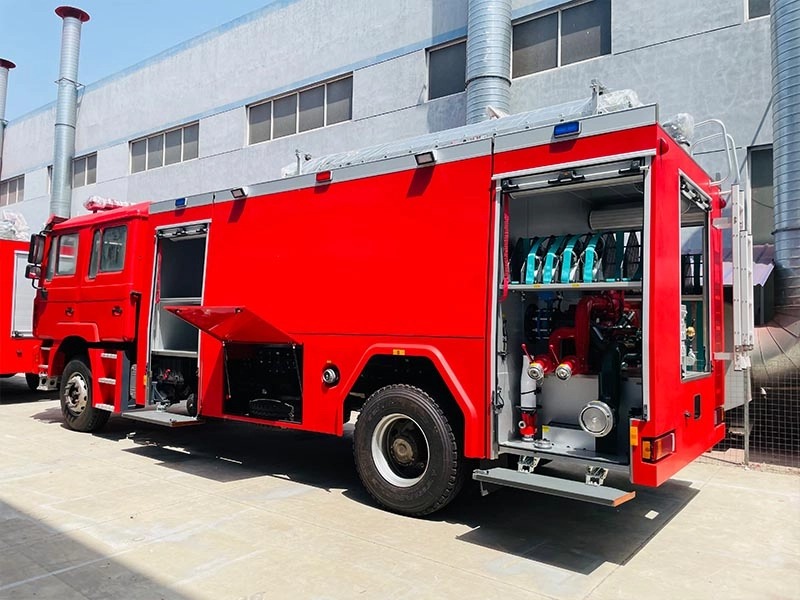
Direct injection systems, such as electronic proportioning systems, automatically adjust foam flow rates based on changing water flow. These systems provide precise foam mixing and are ideal for fire trucks that need to handle a variety of fire situations. Electronic systems ensure accuracy, improving the foam fire truck's performance across a range of hazards.
ATP systems are a cost-effective option for fire trucks, especially for smaller departments. ATP systems mix foam concentrate as the water flows through the pump. While these systems are less flexible than direct injection systems, they can handle a range of fire types and provide reliable performance when budget constraints exist.
Compressed Air Foam Systems (CAFS) add compressed air to the foam solution, creating a foam with finer bubbles. This leads to faster fire knockdown and greater reach. CAFS foam systems are ideal for situations that require quick fire suppression with less water, such as wildland fires.
When choosing between manual and automated foam proportioning systems, it is essential to consider factors such as ease of use, cost, efficiency, and required training. Below is a detailed comparison to help you decide which system is best suited for your fire department’s needs.
| Attribute | Manual Foam Proportioning Systems | Automated Foam Proportioning Systems |
|---|---|---|
| Operation | Requires manual adjustment by the operator | Automatically adjusts foam concentration based on flow rate and pressure |
| Ease of Use | Simple to operate, but relies on operator skill and experience | More complex, but reduces the need for operator intervention |
| Cost | Generally more cost-effective due to simpler technology | Higher initial cost due to advanced technology and automation features |
| Efficiency | Can be less efficient, especially in fluctuating conditions | More efficient, consistently delivers accurate foam concentrations |
| Training Requirements | Basic training required, but depends on operator experience | Requires advanced training for system setup, troubleshooting, and maintenance |
| System Complexity | Less complex, with fewer components to maintain | More complex with more components (e.g., sensors, controllers) |
| Adaptability | Less adaptable to changing conditions or flow rates | Highly adaptable, adjusts automatically to varying flow rates and pressure |
| Reliability | Relies on the operator’s skill and attention during operation | More reliable in maintaining consistent foam quality during dynamic operations |
| Maintenance | Easier and less costly to maintain | May require more frequent maintenance and technical support |
| Suitability | Ideal for smaller departments or lower-budget operations | Best for larger departments with complex needs or multi-hazard responses |
Tip: If your department often faces varying fire conditions or requires high efficiency, an automated foam proportioning system may offer significant advantages in both performance and ease of use, despite the higher upfront cost.
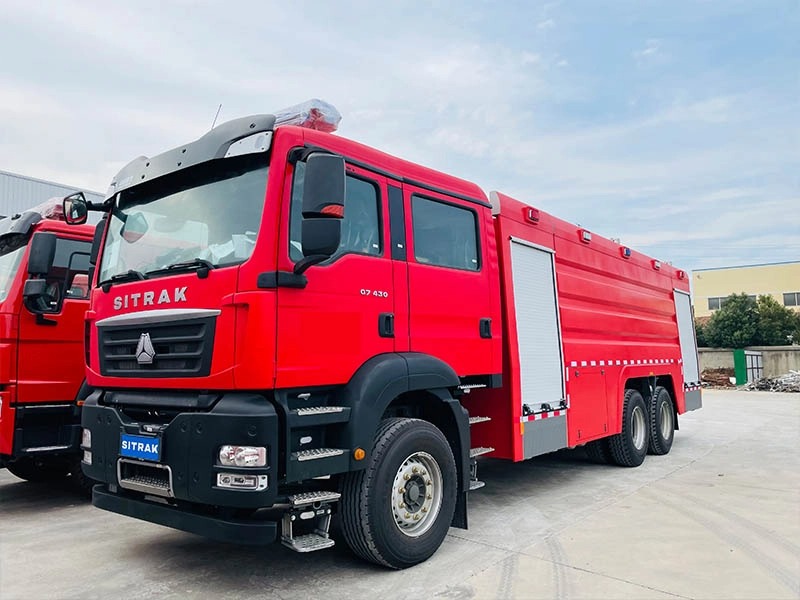
The size of your foam tank should be aligned with the scale of incidents your department faces. For large-scale or extended firefighting operations, choose a larger tank with higher capacity. For smaller fires, a more compact tank will suffice. Alongside tank size, ensure the proportioning system matches your pump and discharge flow rates to maintain accurate foam concentration and efficient fire suppression.
Choosing the right nozzles and maintaining a simple plumbing setup are key for efficient foam delivery. Aspirated nozzles draw air into the foam to enhance its quality, while automatic nozzles adjust the flow rate based on the conditions. Keep plumbing lines short and free of air traps to maintain consistent foam flow during emergencies, ensuring smooth and effective operation.
Choosing between multiple discharge and single discharge foam systems depends on your department’s operational needs, scale, and fire complexity. Below is a detailed comparison to help you make an informed decision based on your department’s capabilities and requirements.
| Attribute | Single Discharge Foam System | Multiple Discharge Foam System |
|---|---|---|
| Fire Scenario Capability | Suitable for smaller, less complex incidents | Designed for handling multiple fire scenarios simultaneously |
| Flow Rate Requirements | Can handle moderate flow rates for smaller fires | Requires higher flow rates to support multiple discharges at once |
| System Flexibility | Less flexible, limited to one discharge at a time | Highly flexible, can manage various fire types and discharges |
| Cost | More cost-effective due to simpler technology | Higher initial cost, but offers better performance for large-scale operations |
| Application | Ideal for smaller fires or departments with limited resources | Essential for large-scale incidents, wildland fires, or industrial fire scenarios |
| Efficiency | Less efficient for complex incidents requiring multiple attack points | More efficient, as it can manage several fires or multiple attack points at once |
| Maintenance | Easier to maintain with fewer components | May require more maintenance due to increased system complexity |
| Safety Considerations | Can be limiting in large-scale operations, requiring more time and resources | More effective for large fires, improving response time and coverage |
| System Complexity | Simple and easy to operate | More complex, with the need for additional components like valves and pumps for multiple discharges |
| Training Requirements | Basic operator training required | Requires more extensive training for managing multiple discharges and flow control |
Tip: If your department frequently responds to large-scale incidents or multiple hazards, investing in a multiple discharge foam system will enhance operational efficiency and ensure effective fire suppression across multiple fronts.
Environmental concerns regarding fluorine compounds in foam, like PFAS, are leading to the transition to fluorine-free alternatives. Ensure that your foam fire truck system is compatible with environmentally friendly foam types to comply with regulations and reduce the environmental footprint of your firefighting operations.
To ensure the reliability and safety of your foam system, it must meet the National Fire Protection Association (NFPA) 1901 standards. This includes ensuring accurate foam delivery and appropriate system performance. Be sure to check that your foam system complies with these industry standards.
In addition to NFPA standards, be aware of local environmental laws that may regulate foam use, particularly regarding fluorine-containing compounds. Compliance with these regulations will not only ensure legal safety but also protect the health of firefighters and the community.
When selecting a foam system, consider its reliability and long-term durability. Fire trucks face extreme conditions, and the foam system should be able to withstand wear and tear without compromising performance. Regular maintenance checks are essential to ensure that the system functions properly when needed most.
Ensure that the foam system integrates seamlessly with your existing apparatus and other firefighting tools. Compatibility with your pump, hoses, and nozzles ensures efficient use and minimizes downtime during emergencies.
Proper maintenance ensures that your foam system is always ready for action. Regularly check the proportioning system, foam tank, and nozzles for wear or malfunction. Keeping up with routine maintenance reduces the risk of system failure during an emergency.
Training your operators is key to the success of your foam system. Ensure that all relevant personnel are properly trained in the use of the foam system to maximize its effectiveness in a real-world firefighting scenario.
Choosing the right foam system for your fire apparatus is critical for your department's success during emergencies. By evaluating your department's specific hazards, foam types, and system components, you can ensure the foam system meets your needs. Whether handling small fires or large-scale incidents, investing in the right system today ensures your department is ready for future challenges. Yongan Fire Safety Group Co., Ltd. offers advanced foam systems designed to enhance firefighting efficiency, providing reliable solutions for a variety of fire scenarios. Their products are built to support long-term performance and ensure quick, effective responses.
A: A Foam Fire Truck system integrates foam with water to enhance firefighting efficiency. It helps extinguish fires faster by improving water penetration and creating a vapor-suppressing foam blanket.
A: To select the right foam system for your Foam Fire Truck, consider your department’s typical fire scenarios, required foam types, flow rates, and system components for optimal performance.
A: Class A foam is used for solid materials like wood, while Class B foam is for flammable liquids. Choose based on the types of fires your Foam Fire Truck will encounter.
A: Fluorine-free foam systems are more environmentally friendly, offering a safer alternative to traditional AFFF, which contains harmful fluorine compounds.
A: The cost of a Foam Fire Truck system depends on factors like foam type, system capacity, and features. Generally, automated systems cost more than manual ones but offer higher efficiency and ease of use.


